Source Diesel Fuel Injector Retaining Clips for Engines
Find 30 listings for diesel fuel injector retaining clips designed for petrol and diesel engines. Compare stainless steel and metal components from Chinese manufacturers to find suitable replacements for fuel injection systems; compare the available evidence and request quotations based on your requirements.
Key considerations
Products List
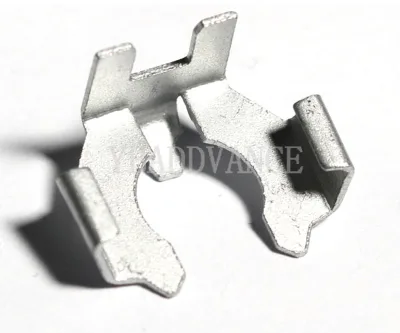
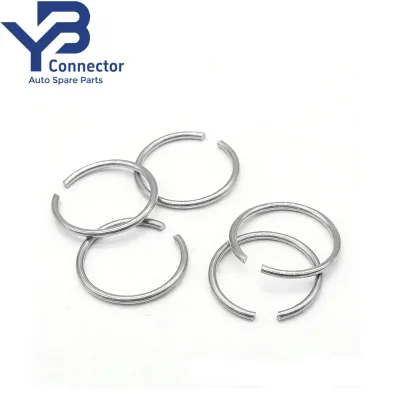
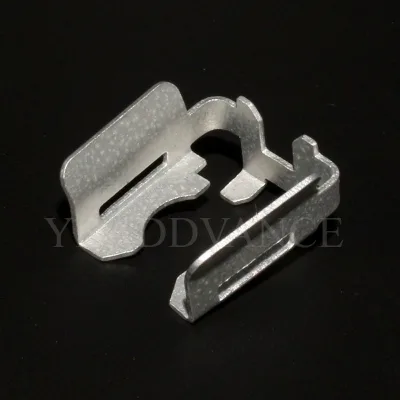


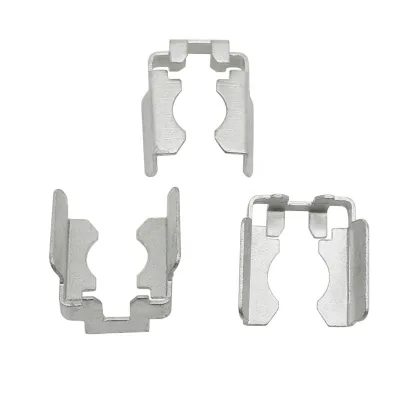




Comprehensive Sourcing Guide
Diesel Fuel Injector Retaining Clips Sourcing Guide
Procuring diesel fuel injector retaining clips requires precise identification of the specific fuel system architecture, as these components are critical for maintaining seal integrity under high-pressure conditions. Buyers must distinguish between petrol and diesel applications, noting that while some listings mention universal fitment, the actual fuel type compatibility is a primary verification step. The observed market data indicates a mix of products labeled for diesel systems alongside those specified for gasoline, necessitating a rigorous review of the fuel type attribute before finalizing any order.
The sourcing landscape reveals significant variation in packaging and weight specifications, which directly impacts logistics planning and cost estimation. Listings show single package sizes ranging from 4x5x5 cm to 10x10x10 cm, with gross weights fluctuating between 0.001 kg and 1.000 kg per unit depending on the material composition. This inconsistency suggests that buyers should not rely on average weight estimates for freight calculations but must request specific packing details for each supplier to ensure accurate shipping quotes and inventory management.
Product Scope and Observed Listing Signals
The product scope for diesel fuel injector retaining clips encompasses various styles, including standard components and aftermarket replacements designed for repair or replacement purposes. Market observations confirm that these items are often categorized under fuel system components with specific model numbers like BC61002 or YB61024, indicating that generic descriptions may not suffice for precise procurement. Buyers should verify the exact model number and part number against their vehicle's engine code to ensure the clip matches the required retention mechanism and physical dimensions.
Listing signals frequently highlight the material composition, with stainless steel and aluminum being the most common options observed in the current market. The presence of "Silver" as a color attribute and "New" as a condition status provides basic visual confirmation, but the material choice is the critical factor for durability and corrosion resistance in diesel environments. Procurement teams must cross-reference the stated material with the operating temperature and chemical exposure of the specific engine bay to avoid premature failure due to material incompatibility.
Technical Specifications to Verify
Technical verification begins with confirming the standard component classification, as many suppliers claim adherence to OEM standards without providing specific dimensional data. The observed listings include references to "OEM Standard" sizing and "Press" as the manufacturing technique, which are essential indicators of production quality. Buyers should request detailed engineering drawings or dimensional tolerances to ensure the clip fits the injector nozzle geometry, as the "No" designation for specific car models in some listings implies a need for custom verification rather than direct off-the-shelf compatibility.
The fuel type specification is a non-negotiable technical parameter, as the market data explicitly distinguishes between diesel, gasoline, and petrol engine applications. While some entries list "Universal Fitment" as a feature, the explicit mention of "Diesel" and "Petrol" as separate fuel types suggests that universal claims may be marketing generalizations rather than technical realities. Procurement specialists must validate the clip's resistance to diesel fuel additives and high-pressure injection cycles, ensuring the selected component meets the specific thermal and mechanical demands of the target engine system.
Compliance and Safety Documentation
Compliance documentation for fuel system components often includes certifications such as CE and FCC, which are observed in several product listings. These certifications indicate that the product meets certain safety and electromagnetic compatibility standards, which is particularly relevant for electronic fuel injection systems. However, buyers should treat these certifications as baseline requirements and verify if they specifically cover the mechanical safety aspects of fuel retention, as standard electronic certifications may not fully address the mechanical integrity required for high-pressure diesel applications.
Safety documentation must also address the warranty terms, which are listed as either 1 year or 12 months in the observed data. This variation in warranty duration suggests that buyers should negotiate clear terms regarding defect coverage and replacement protocols before signing a purchase agreement. Ensuring that the warranty explicitly covers material failures or manufacturing defects related to the clip's retention capability is essential for mitigating the risk of engine damage caused by component failure during operation.
Cost Drivers and Commercial Terms
Cost drivers for diesel fuel injector retaining clips are heavily influenced by the minimum order quantity (MOQ), which ranges from 1 to 1000 pieces across different suppliers. The observed data shows a specific MOQ of 500 pieces for certain listings, which can significantly impact the unit price and total procurement cost for smaller buyers. Understanding these volume thresholds is crucial for budgeting, as purchasing below the MOQ may result in higher per-unit costs or require the buyer to consolidate orders with other components to meet supplier requirements.
Commercial terms also include payment methods such as TT, PayPal, Western Union, and Trade Assurance, which offer varying levels of financial security for the buyer. The inclusion of Trade Assurance is particularly valuable as it provides a layer of protection against non-delivery or quality disputes. Buyers should prioritize suppliers offering Trade Assurance and clarify the delivery time, which is observed to be between 2 to 5 working days, to ensure that the supply chain aligns with production schedules and maintenance windows.
Supplier Qualification and Quality Control
Supplier qualification should focus on the place of origin, with observations pointing to manufacturers in ZheJiang and Shaanxi, China. These regions are known for automotive component manufacturing, but the specific factory capabilities must be verified to ensure consistent quality control. Buyers should request evidence of the supplier's production capacity and quality assurance processes, particularly regarding the "Press" technique mentioned in the listings, to confirm that the manufacturing process maintains the necessary tolerances for fuel system components.
Quality control measures must extend to the packaging and handling of the components, as the observed single gross weights and package sizes vary significantly. Proper packaging is essential to prevent damage during transit, especially for small metal clips that could be easily deformed. Buyers should verify that the supplier uses "Original Package" or equivalent protective packaging to ensure the clips arrive in pristine condition, ready for immediate installation without the need for additional inspection or rework.
Long-Term Procurement Checks
Long-term procurement checks involve monitoring the consistency of product attributes over multiple orders, as the observed data shows variations in model numbers and specifications even for similar items. Buyers should establish a baseline for the specific part numbers and material grades required for their operations and conduct periodic audits to ensure that subsequent shipments match these standards. This proactive approach helps prevent supply chain disruptions caused by unexpected changes in component design or material composition.
Continuous evaluation of supplier performance is critical for maintaining a reliable supply of diesel fuel injector retaining clips. Buyers should track key performance indicators such as delivery time consistency, warranty claim rates, and response to customer service inquiries, which are listed as 24-hour service in some cases. Establishing a long-term relationship with suppliers who demonstrate reliability and transparency will facilitate smoother negotiations and better support for future procurement needs, ensuring a stable supply of critical fuel system components.
FAQs
What material are the diesel fuel injector retaining clips made of?
The clips are manufactured from stainless steel and metal materials to ensure durability and resistance to corrosion in harsh engine environments. Some variants also utilize aluminum components for specific weight or thermal requirements. These material choices support the OEM standard design, ensuring reliable retention of fuel injectors under high vibration and temperature conditions typical in petrol and diesel fuel systems.
Can these fuel injector clips be used for universal fitment?
Yes, the product is designed for universal fitment across various petrol fuel systems. It serves as an after-market replacement auto part intended for general repair and replacement purposes. While specific car models are not listed, the clips adhere to OEM standard dimensions, making them suitable for broad application in standard fuel injection setups rather than being restricted to a single vehicle brand.
What is the minimum order quantity for these retaining clips?
The minimum order quantity is set at 500 pieces per order. This MOQ applies to the standard packaging and pricing structure provided by the supplier. Buyers should note that the gross weight is approximately 0.8 kg per 1000 pieces, which helps in calculating shipping logistics. This quantity ensures efficient production runs while allowing bulk buyers to secure competitive pricing for their inventory needs.
How long is the delivery time for these fuel system components?
The standard delivery time is 2 to 5 working days after order confirmation. This rapid turnaround supports urgent repair and replacement needs for automotive fuel systems. The products are shipped from China, with origins noted in Zhejiang and Shaanxi provinces. Buyers can expect prompt processing, though international shipping durations will vary based on the final destination and chosen logistics provider for the bulk order.
What warranty is provided for these aftermarket fuel injector clips?
A one-year warranty is provided for these aftermarket replacement parts. This coverage ensures quality assurance for the stainless steel and metal components used in the fuel injector clips. The warranty supports the product's reliability for petrol fuel systems. Buyers are advised to retain proof of purchase, as the 12-month period begins from the date of delivery, covering defects in material or workmanship under normal operating conditions.
What certifications do these fuel injector retaining clips hold?
The products hold CE and FCC certificates, indicating compliance with relevant safety and electromagnetic compatibility standards. These certifications support their use in global markets where such regulatory approvals are required for automotive components. The clips are manufactured to OEM standards, ensuring that they meet rigorous quality benchmarks. Buyers should verify specific local regulations, as the CE and FCC marks provide a baseline for international trade and distribution.